Designers making major moves towards a more sustainable future in Fashion
By Chinazam Ikechi-Uko
Sustainability, the fashion industry’s latest buzzword. It has been its core focus since the dawn of the decade. Brands want to go sustainable, brands are getting cancelled for unsustainable practices. But what does this new industry requirement mean to non-western nations? Is sustainability even a new practice in the African fashion industry? How do you know if your brand is sustainable? Let’s explore what this term means, its colloquial uses, why it’s important and definitely, some African brands that are absolutely dedicated to the cause.
Sustainability is the ability to maintain or support a process continuously over time. Colloquially, this means maintaining the best practices that keep the planet healthy and historically, the global fashion industry has done the exact opposite. Whenever the question about ethics is raised, the majority answer is “sustainability”. It is easy for conglomerates to greenwash their marketing strategy to appear more ethical to fastidious viewers. Textile waste, carbon footprints, use of synthetic fibres (*coughs* polyester *coughs*), sweatshops and not paying workers are a number of non-ethical practices that several of our favourite brands have and continue to be involved in.
While the African fashion industry is not void of its own problems and unhealthy practices, it’s still safe to say that sustainability has for a long time been in. Giving old clothes to the less privileged, usage of deadstock fabrics, wearing hand-me-downs, as well as buying and selling second-hand clothing have very well been the norm, long before the mantra, “reduce, reuse, recycle” became a thing.
As the industry continues to grow and expand, there are a number of designers on this side building brands/doing amazing work to ensure that their production processes are kinder to the environment and generate as little waste as possible. Take a look at our compilation below.
BLOKE:
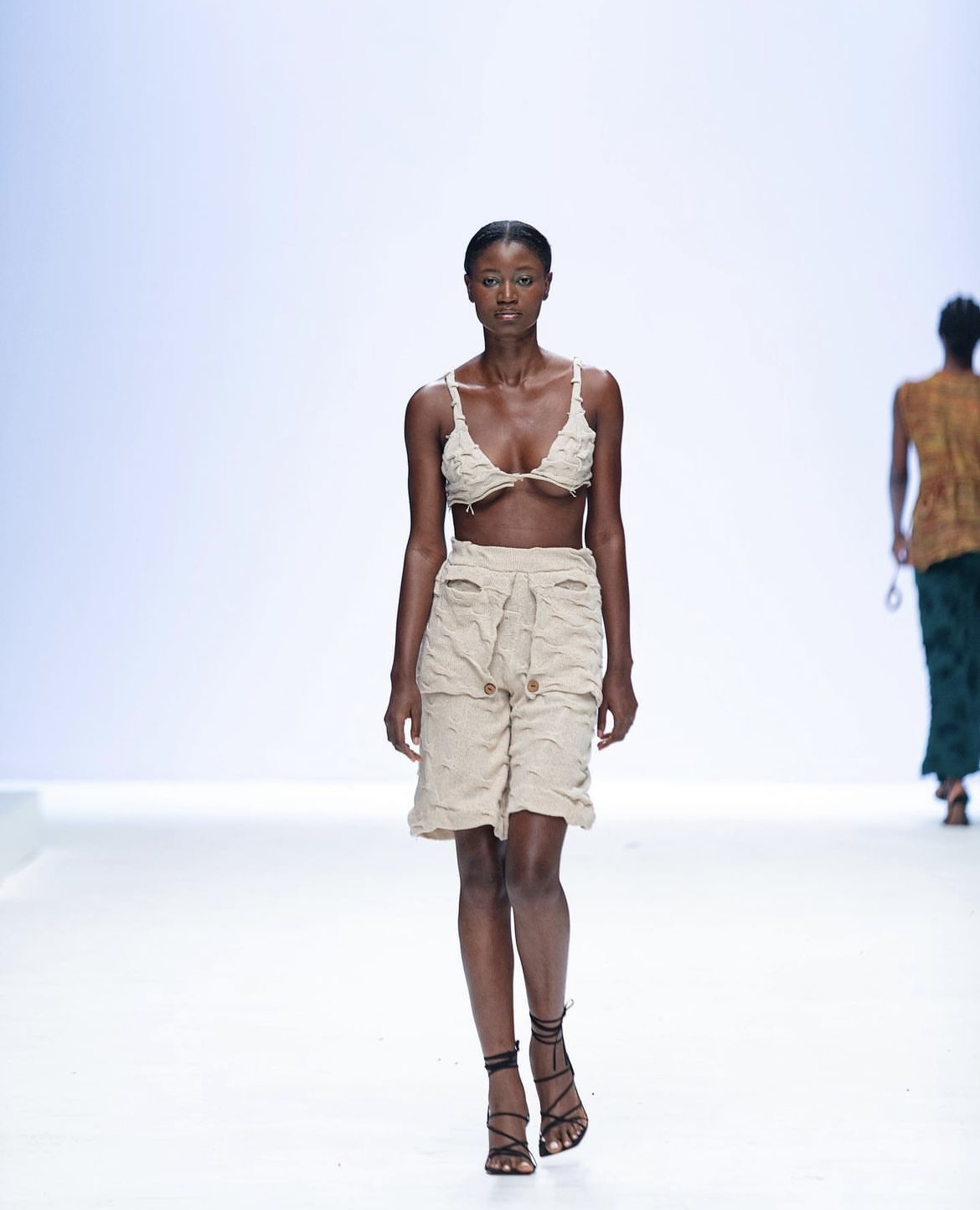
In July 2018, Bella Naija put out a quasi-e-bulletin board announcing that the luxury retailer, ALÁRA has decided to create a platform to highlight emerging creatives. The winners will be offered an exclusive collection or exhibition to be financed and stocked at ALÁRA, mentorship from an internationally acclaimed advisory board, and access to technical expertise and facilities. Crazier plot twist? A self-taught knitter from Ogun state, Nigeria takes the crown and the world is introduced to BLOKE. The Vogue Italia, Vice, Grazia featured brand made waves this year when it was announced that it had been selected as a semi-finalist for the annual LVMH prize (past winners include JACQUEMUS, Nensi Dojaka, Marine Serre and a few others). But what’s BLOKE all about?
BLOKE is a genderless brand that pays impeccable attention to textile fabrication and craftsmanship. They are devoted to sustainability, using locally sourced materials, and employing a small community of knitters, diverse textile artists, local artisans and design groups in Nigeria.
OSEI-DURO:
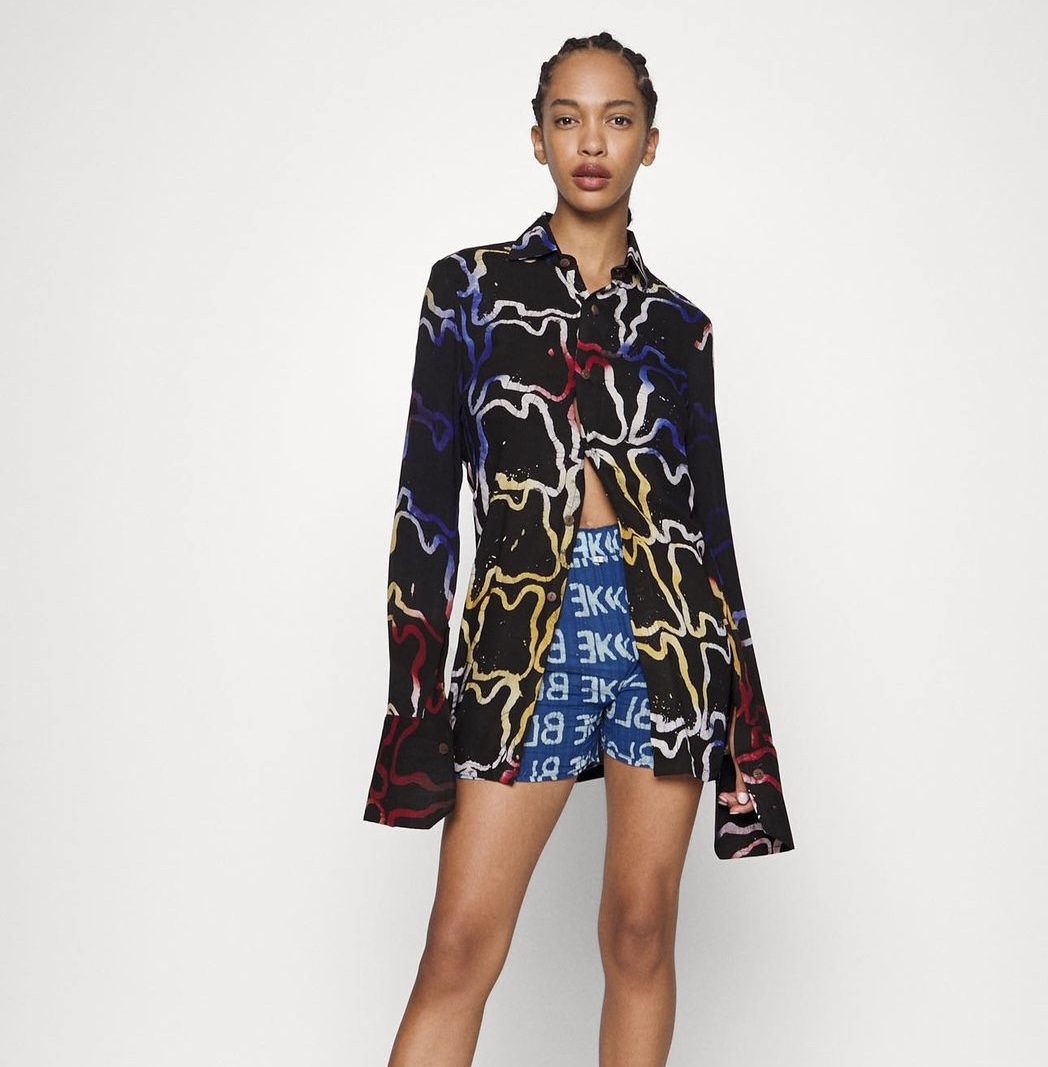
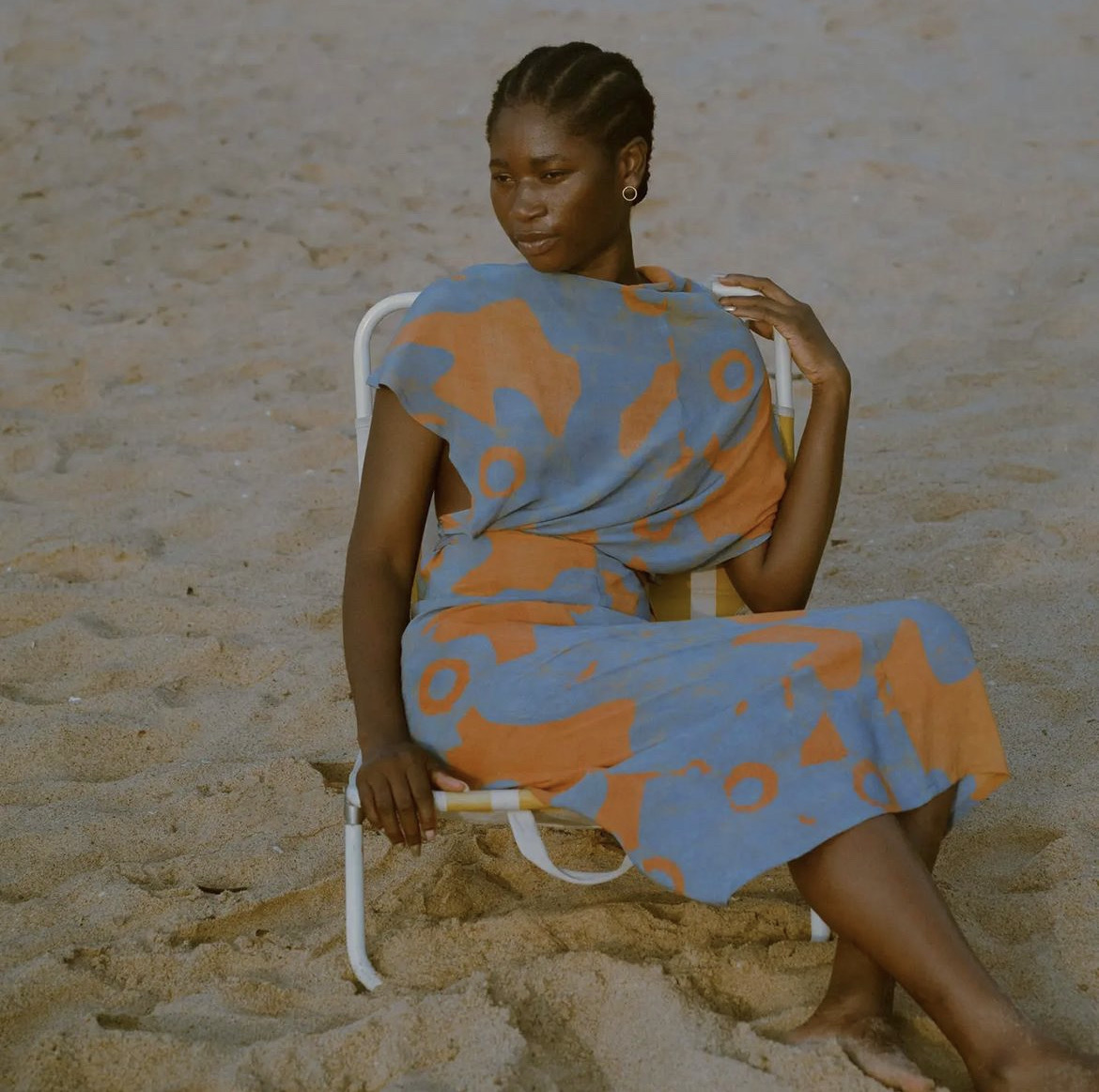
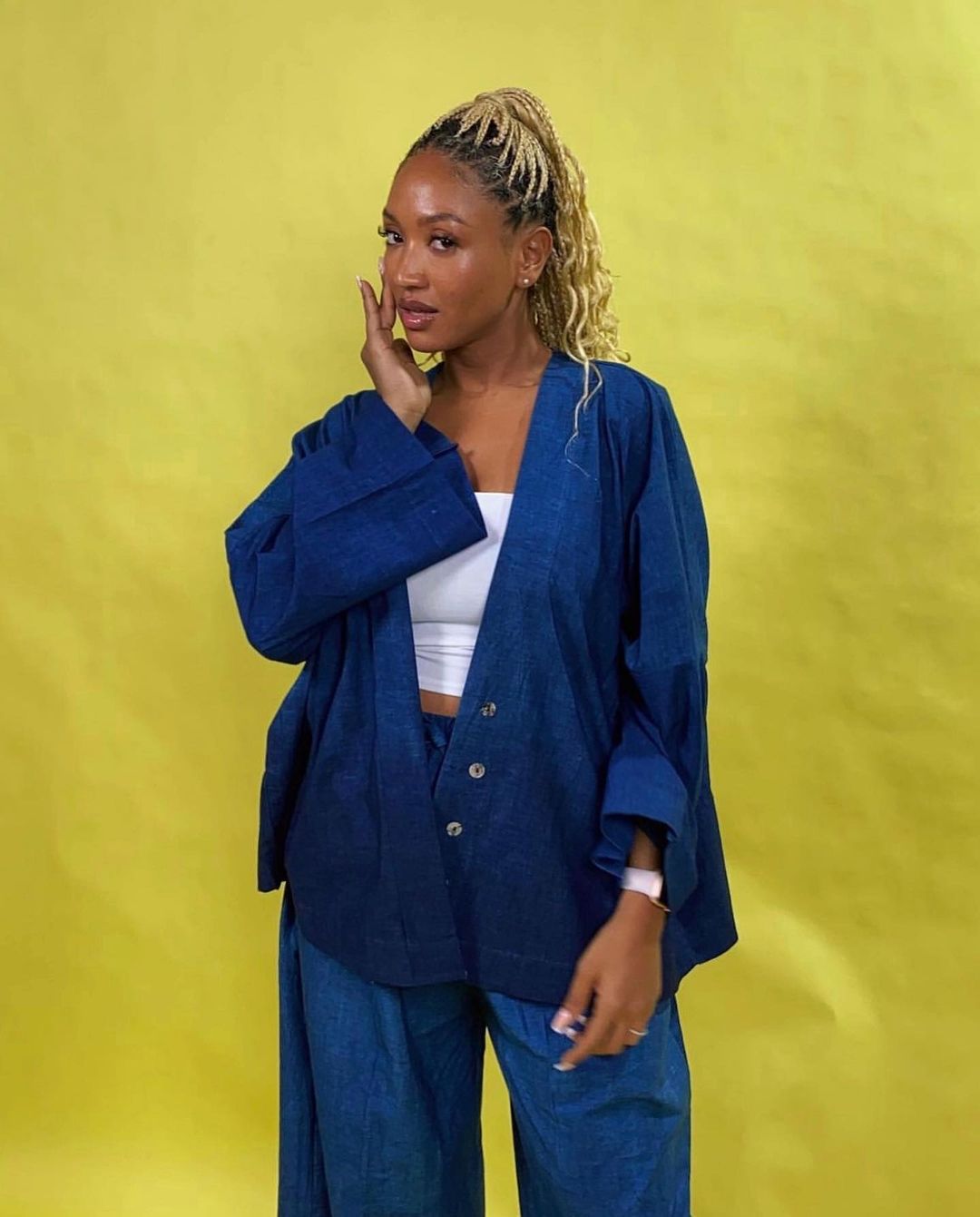
With collaborations with Steloolive, Lululemon, Megan Whitmarsh, Wenlin Studios, Kenturah Davis and many more, OSEI-DURO isn’t a fresh face but the ethos of the brand has always been the same; creating ethical handmade pieces that last. It has its headquarters in Ghana, a studio in Vancouver, Canada and a distribution centre in Colorado, USA. The brand works with a variety of small-scale artisans who work with different traditional dyeing techniques such as tie-dyeing, botanical dyeings for example, natural indigo and onion skins, and hand-batiking. They also explore hand weaving and ikat, recycled brass casting (lost wax), hand crocheting and machine knitting, as well as silk-screening.
OSEI-DURO has created spaces to experiment and play and these are referred to as special programs, a few examples are the Reruns program which provided job skills and training to women in recovery who live in Vancouver’s Downtown EastSide and the Artist Residency which offers artists the opportunity to work in open-ended collaboration with Osei-Duro, in Ghana.
1964:
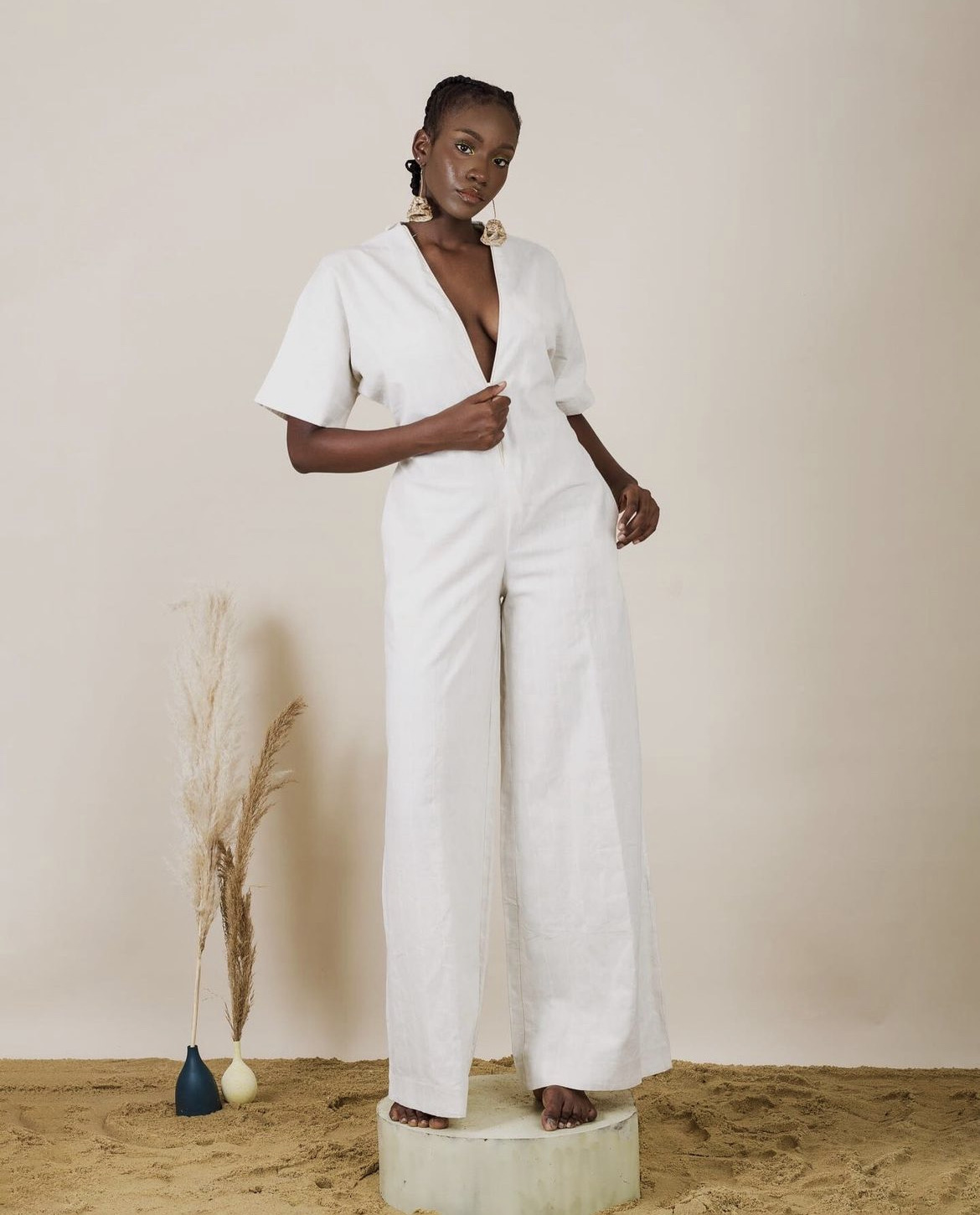
The 1964 brand is for women who love comfortable, minimalist yet fashionable clothing. With their core values revolving around self-care, community and the planet, 1964 is for the modern woman made by modern women. Their missions include using the internet to build communities for women coming together to create a better everyday life and promoting a more sustainable planet by educating people on the importance of transparency, circularity, regeneration and inclusion.
1964 offers a “New Stories Program” that promotes decluttering and a circular economy. You can resell your old 1964 outfits, regardless of their condition, and for every bundle of 3 clothes brought to the store, you receive a discount on your next purchase. This initiative encourages upcycling, recycling, and reducing fashion waste.
1964 also has a sustainable program that allows you to re-sell 1964 outfits, the goal is to tackle decluttering, promote zero fashion waste, a circular economy, and employ better shopping habits through upcycling, recycling and reducing. Dubbed “1964 New Stories Program”, the process involves bringing your old 1964 clothes to the store (regardless of the condition). For each bundle of 3 clothes sent, a discount for your next purchase will be traded.
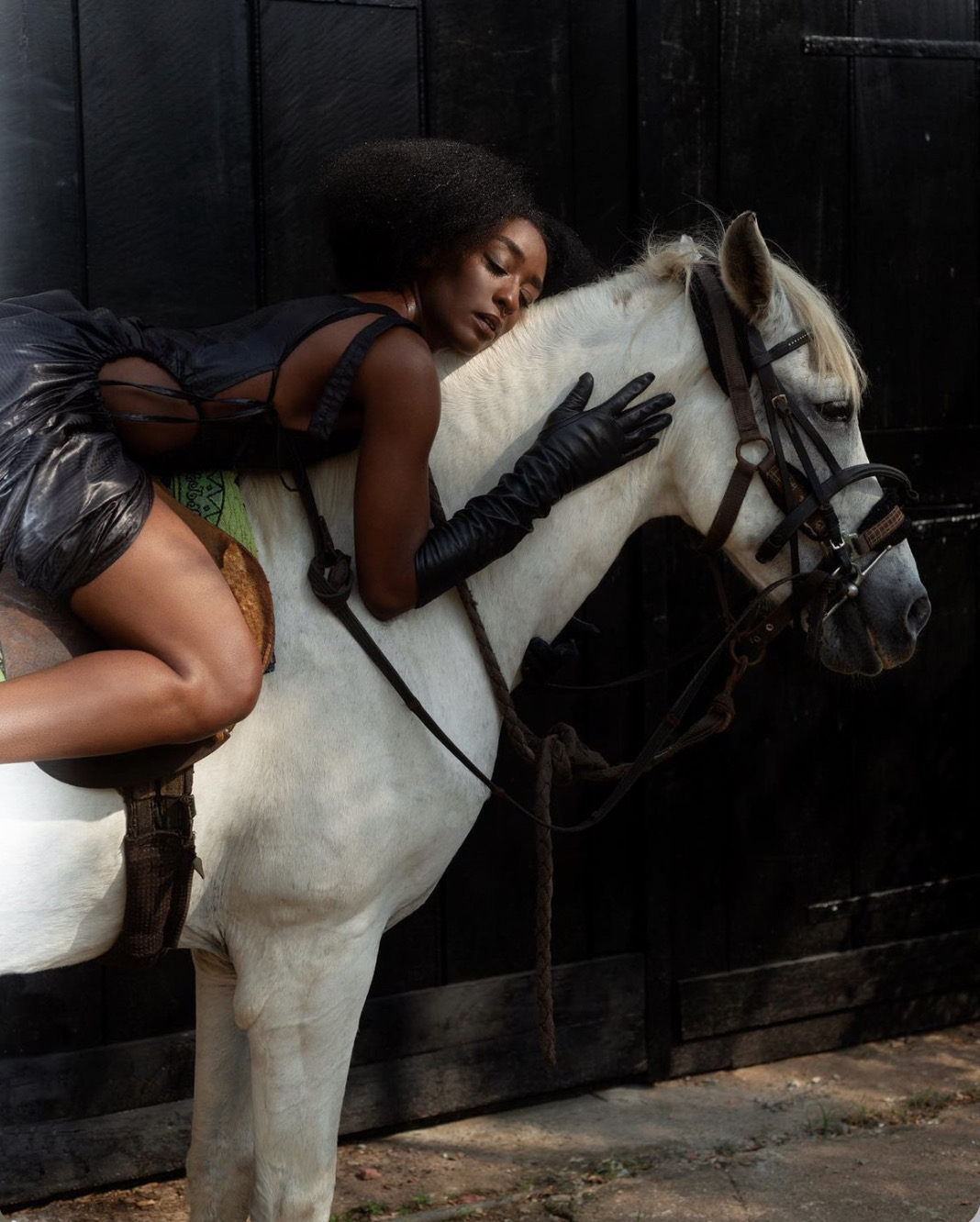
Polo, fashion, and champagne stole the show at VCPOLO Lagos.
OLOOH:
The ready-to-wear Ivorian brand uses organic fabrics such as linen, cotton, wood, and leather to express creativity in garment production. Founded by Kadar Diaby, the brand takes on traditional techniques but embeds a modern twist as a means of exploring its identity through innovative, well-constructed, and timeless pieces. OLOOH uses its collection to tell about its nation’s culture and personal experiences. The brand is known for its youthful spirit, minimalist silhouettes, and immaculate tailoring. OLOOH uses eco-friendly dye and the process is done in a commune by the female workers in Treichville, the brand also works with other communes in the country such as the commune of Grand Bassam’s artisanal centre. Meaning “ours” in the Senufo language of Ivory Coast, OLOOH is described on its Instagram as an Ivorian brand narrating the Abidjan’s daily life, but thinking globally.
SWAP SHOP at LFW:
Coordinated by Hannah Demilade Osanyintolu, the “swap shop” initiative which officially kicked off in 2021 is a huge part of the annual Heineken Lagos Fashion Week. In a bid to reduce overconsumption, Hannah gives garments owned by designers and fashion stars a second chance at life; from stars including Denola Grey, Eku Edewor and Orange Culture. Allowing people to declutter and flush out their closets and take in new clothes of the same grade as the clothes you’re swapping. Having a swap shop at one of Nigeria’s biggest fashion events has proven to be a successful idea to get shoppers to become swappers. Rather than throwing that tired wrap dress, why not bring it to La Balmoral Convention Center this October?
Founded in 2016, the eponymous womenswear label Desirée Iyama promotes the practice of “slow fashion”. Slow fashion is the opposite of fast fashion, it embodies a fashion mindset that conscientiously examines the processes and resources involved in clothing production. With collections built around a tender yet timeless aesthetic, the label creates contemporary pieces whilst maintaining functional, fun and feminine clothing. In line with its zero-waste ethos, all their fabrics are locally sourced, all garments are handmade to order in limited quantities, no garment is pre-made and notably, leftover pieces are made into accessories; Face masks, headbands, scarves, and scrunchies. Desirée Iyama is setting the pace for a more eco-friendly means of shopping. The brand has a “Rotate” program that enables the brand to buy back from you, and for you to rent from them at discounted prices. The steps are detailed on the brand’s website.
THIS IS US:
This Is Us is a Nigerian brand knownfor its use of Funtua cotton, which is sourced and made in Funtua, Katsina (Northern Nigeria). It was founded in 2016 by Oroma Cookey-Gam, with the intention of showing that Made in Nigeria garments and pieces can also be of very high quality and standards. The brand has been featured in publications such as Monocle and Industrie Africa. It was also one of the African brands featured in the Woven Threads series, which was a collaboration by Lagos Fashion Week and Selfridges, an upscale department store in the United Kingdom.
One Response
This was such an amazing read. Keep up the good work!



One Response
This was such an amazing read. Keep up the good work!