Long before JACQUEMUS stormed the world with their SS23 show titled “LE RAPHIA” and the launch of MIU MIU’s raffia accessories; raffia was making waves on African runways and a trend was growing in the art scene. Raffia palms have always been an integral part of African society, and they are arguably one of the most versatile natural resources. They have been used to make brooms and fishing lines, are dyed and woven for baskets and mats, and the sap of the palm can be fermented into raffia wine. However, raffia is being introduced into other aspects of art—wearable art. Now, a woven raffia bag or sandal is absolutely nothing new or revolutionary, however, dried raffia is being attached to garments, and that is fresh in the fashion industry.
With the very frequent appearances it has been making in the global fashion scene, it is definitely clear that raffia is in. But where can a raffia lover purchase a piece? What brands are leading this new trend? Let’s dive into the three designers who launched it on the runway.
Éki Keré:
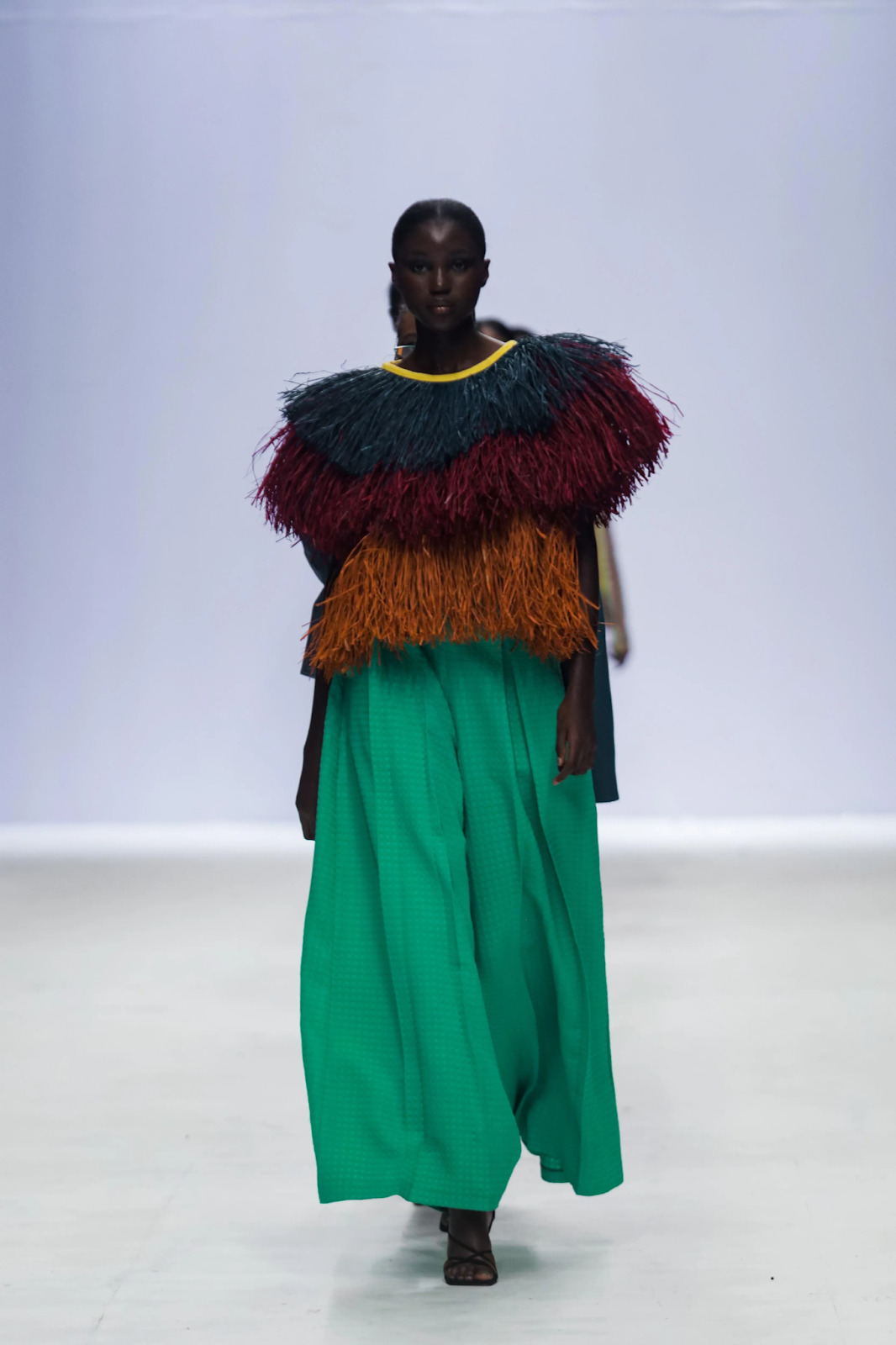
As seen on style icons like Temi Otedola, Eku Edewor, Reni Folawiyo and Ozzy Etomi, and in Vogue Italia, Éki Keré is a brand that celebrates the core African traditions in a contemporary manner, with artisanal designs tailored to tackle fashion waste.The eponymous label has made raffia a core part of its signature; from the raffia-designed sets at ALARA for their SS23, to the dresses and larger-than-life accessories. The collection was inspired by the founder’s childhood, as raffia played a huge part in that.
Fruché:
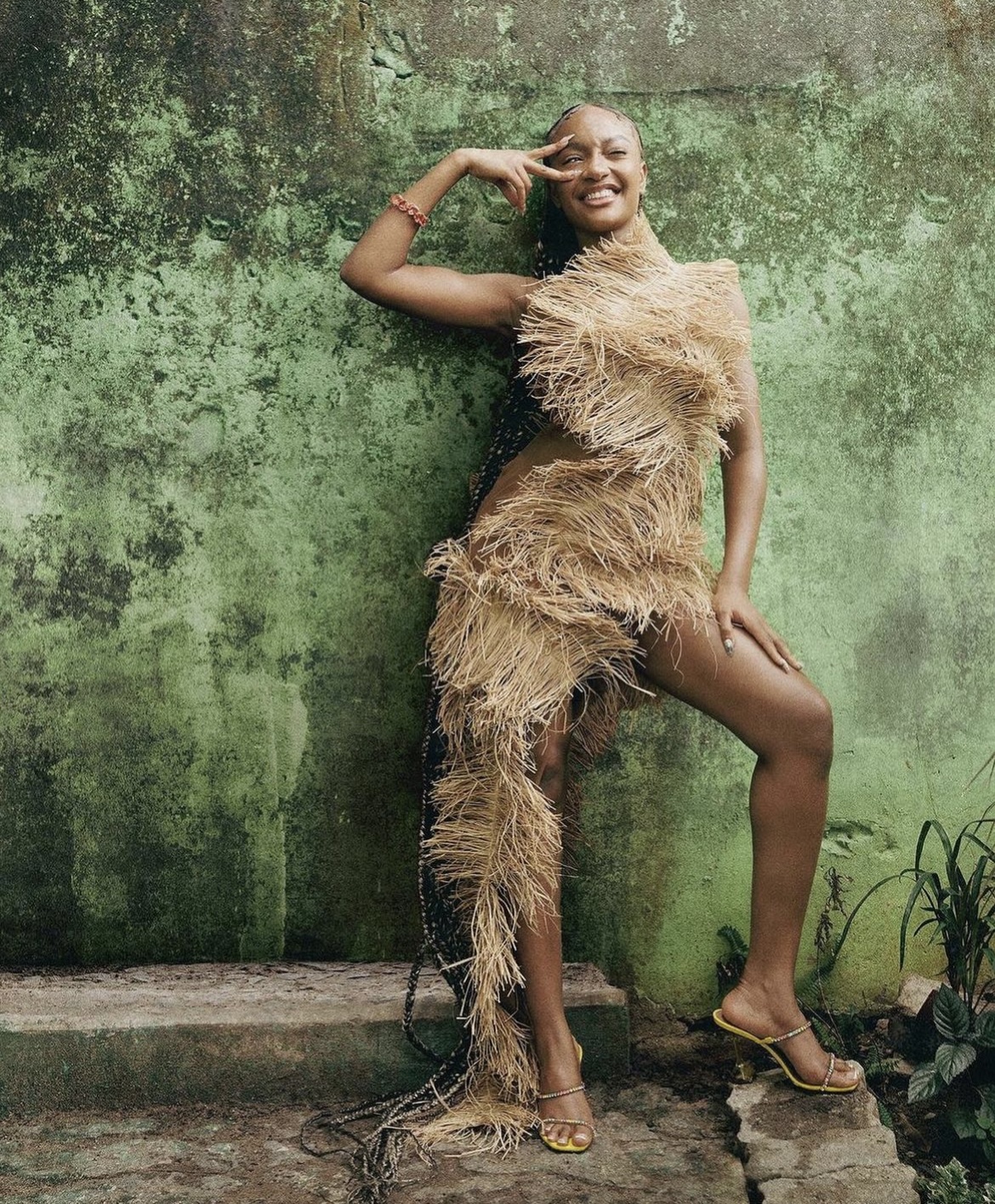
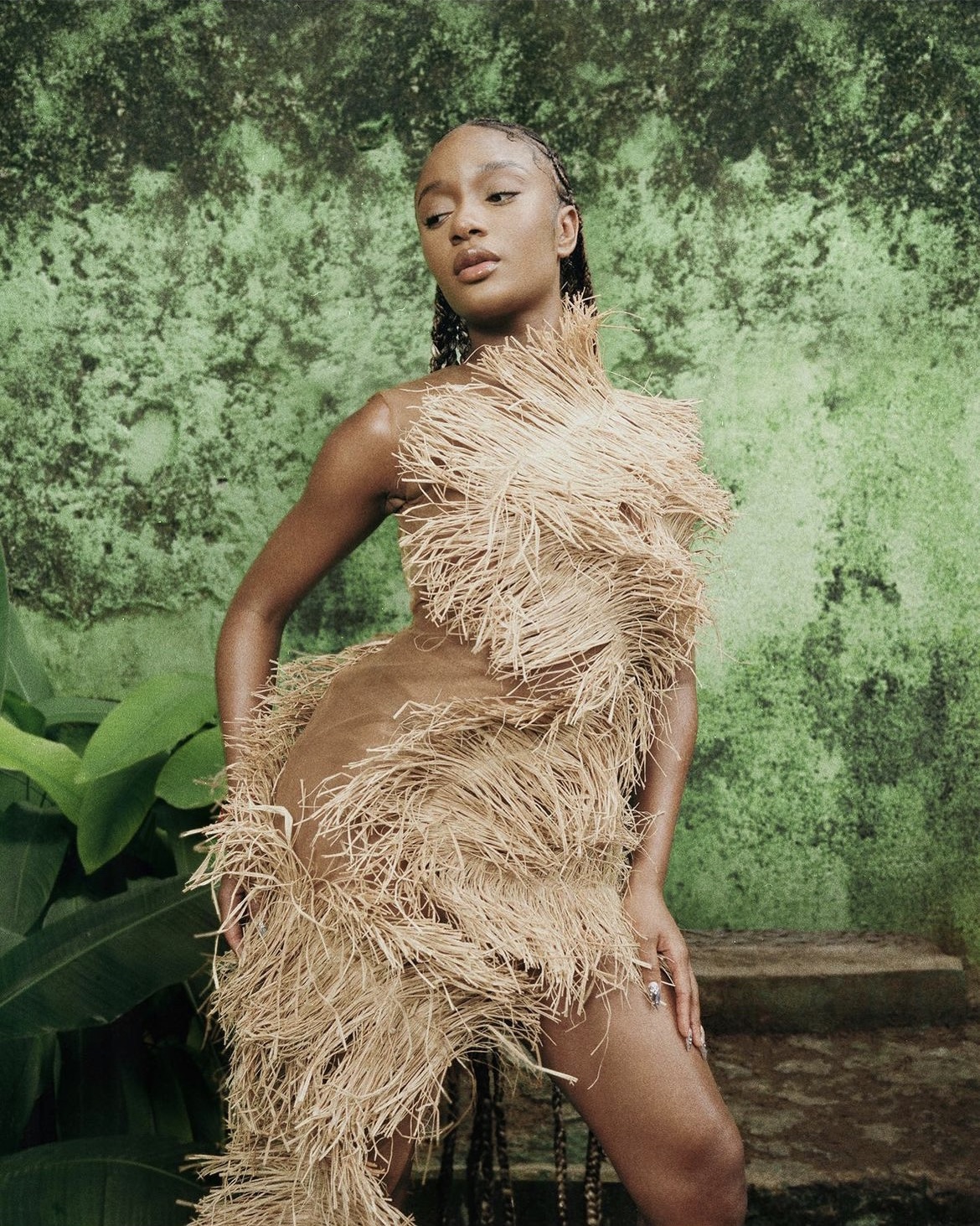
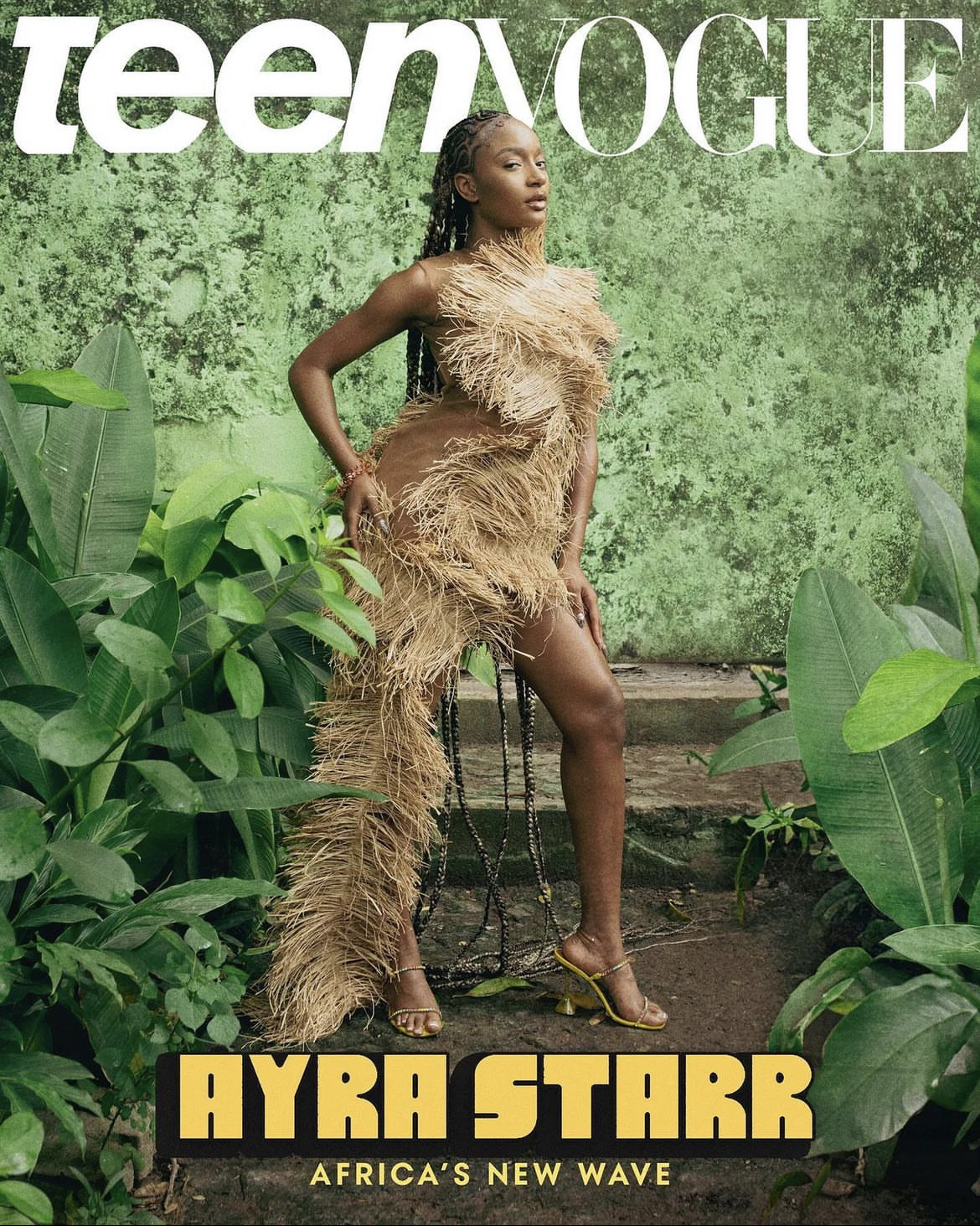
The contemporary womenswear label is known for its intricate designs that reference Nigerian traditional techniques with modern styles. With its fusion of raffia and modern design, Fruché balances the conventional and the unorthodox, the past and the present, the practical and the impractical. Fruché doesn’t shy away from nostalgia, however, it is bold and takes on innovative risks. So it’s no surprise that it has redefined how Raffia is incorporated into garments. The renowned brand was founded by the self-taught designer, Frank Aghuno. The Teen Vogue cover with Ayra Starr marks Fruché’s debut on the cover of an international magazine.
Relisted Labels is revolutionizing fashion for women in Africa, offering a smarter, more affordable way to embrace style through rental.
Babayo:
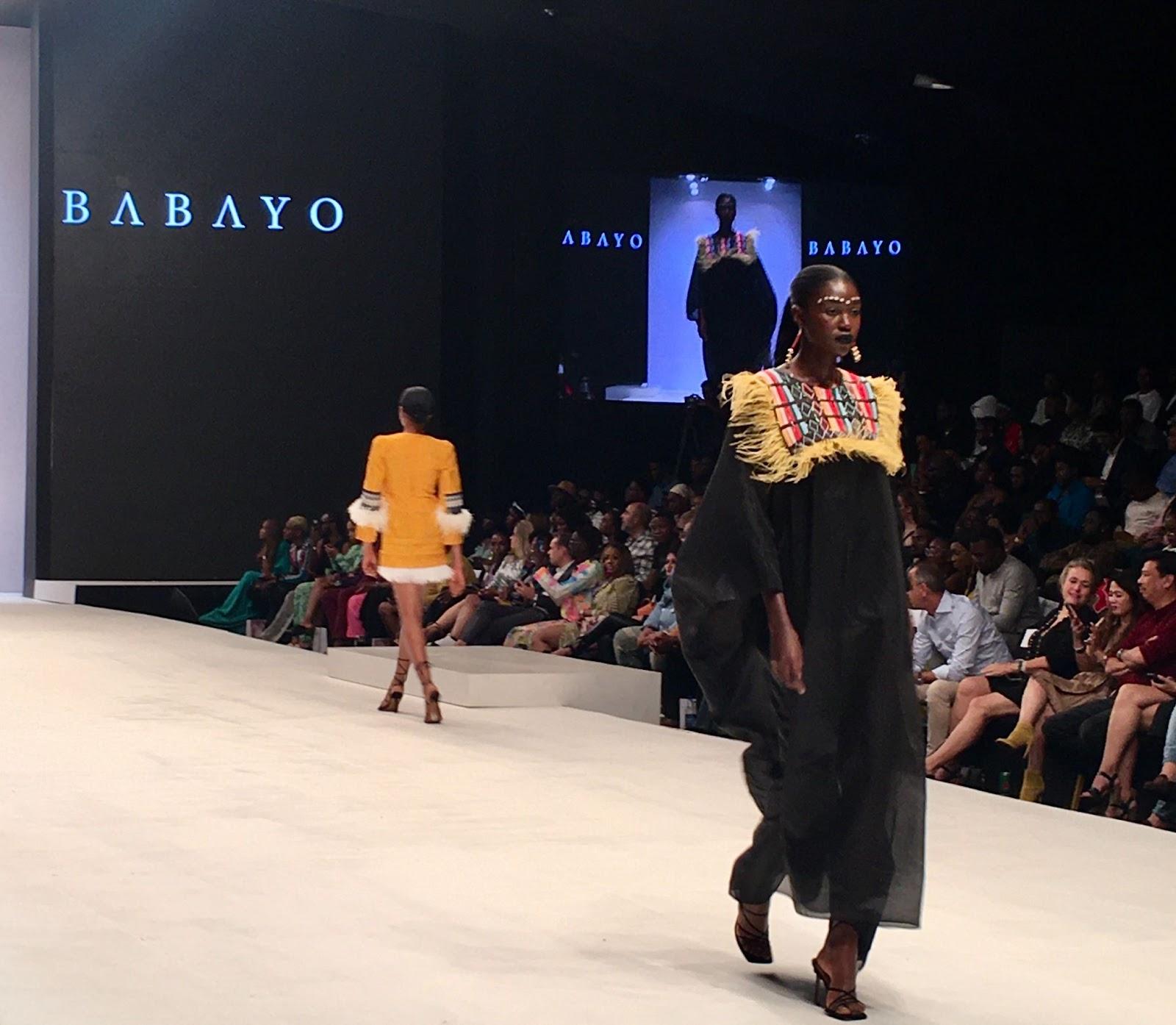
In a coincidental twist, Babayo also debuted a collection that featured pieces of dried raffia. The garments exemplified the perfect synergy between beauty, culture and fashion, through the traditional, yet modern and statement pieces. The ready-to-wear brand has set its sight on becoming a key player in the luxury industry, with their adept storytelling about culture and tradition, along with its cutting-edge creativity. It was founded by economist turned fashion designer, Aisha Babayo Shehu.
AWA MEITÉ:
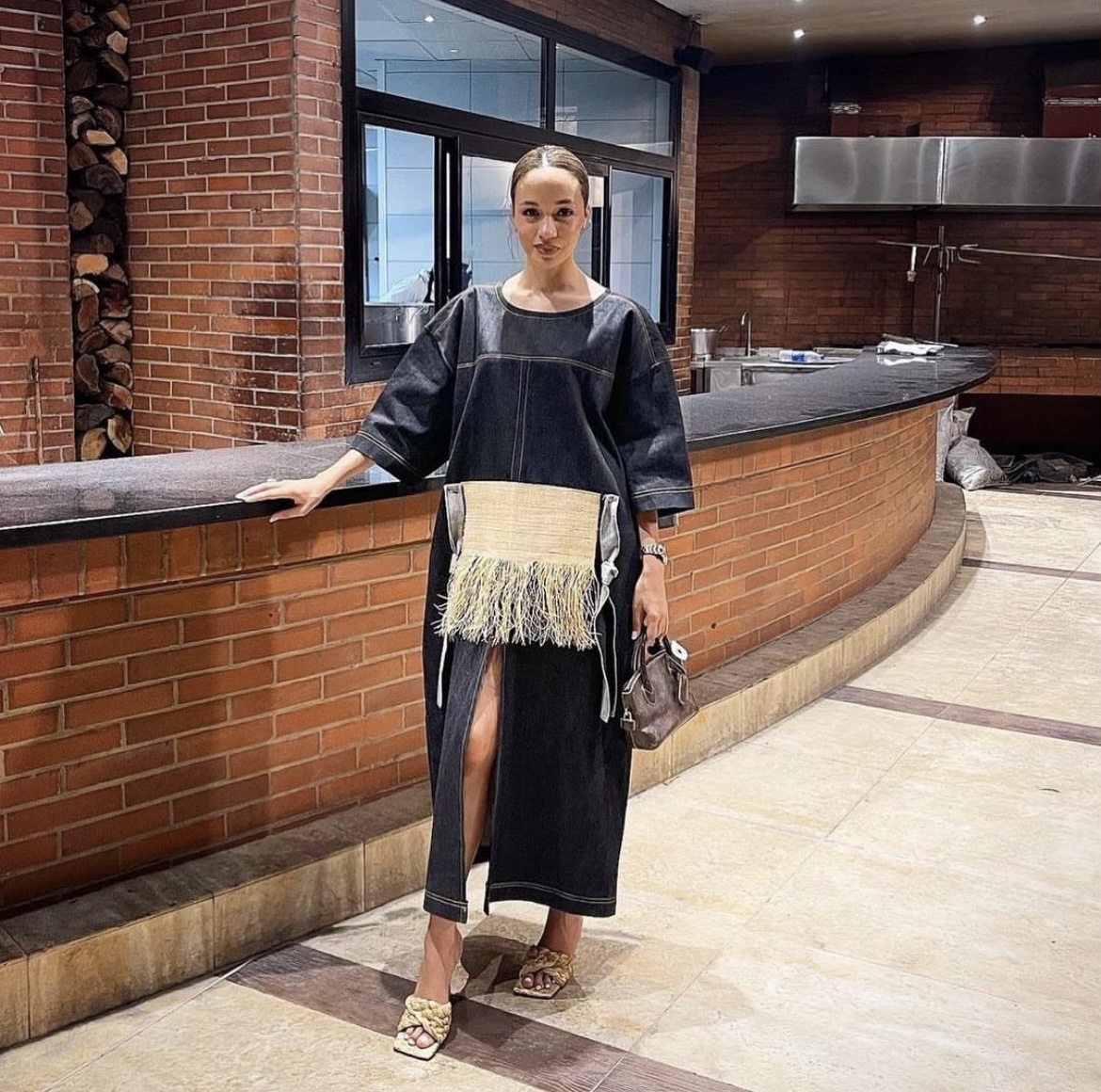
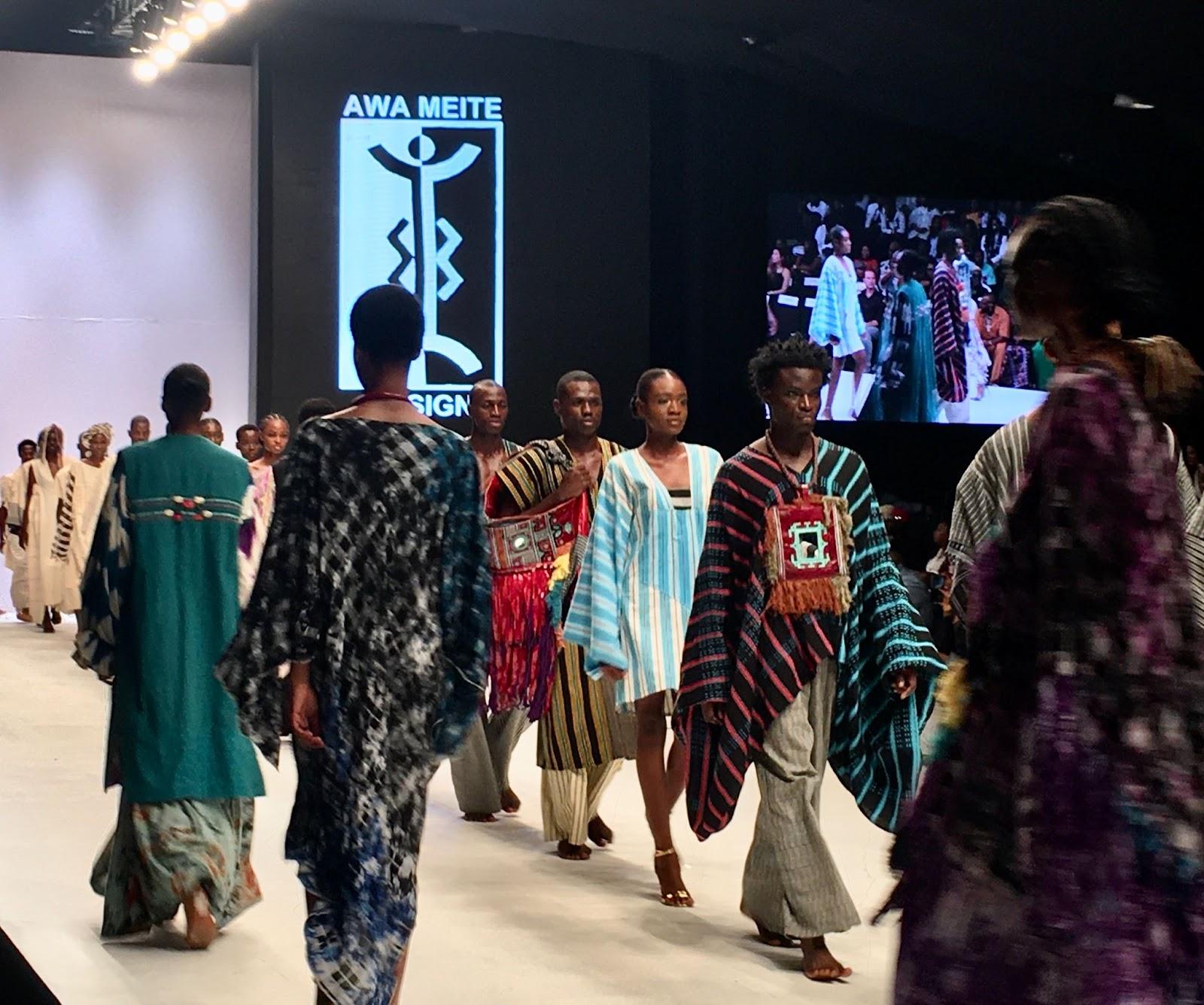
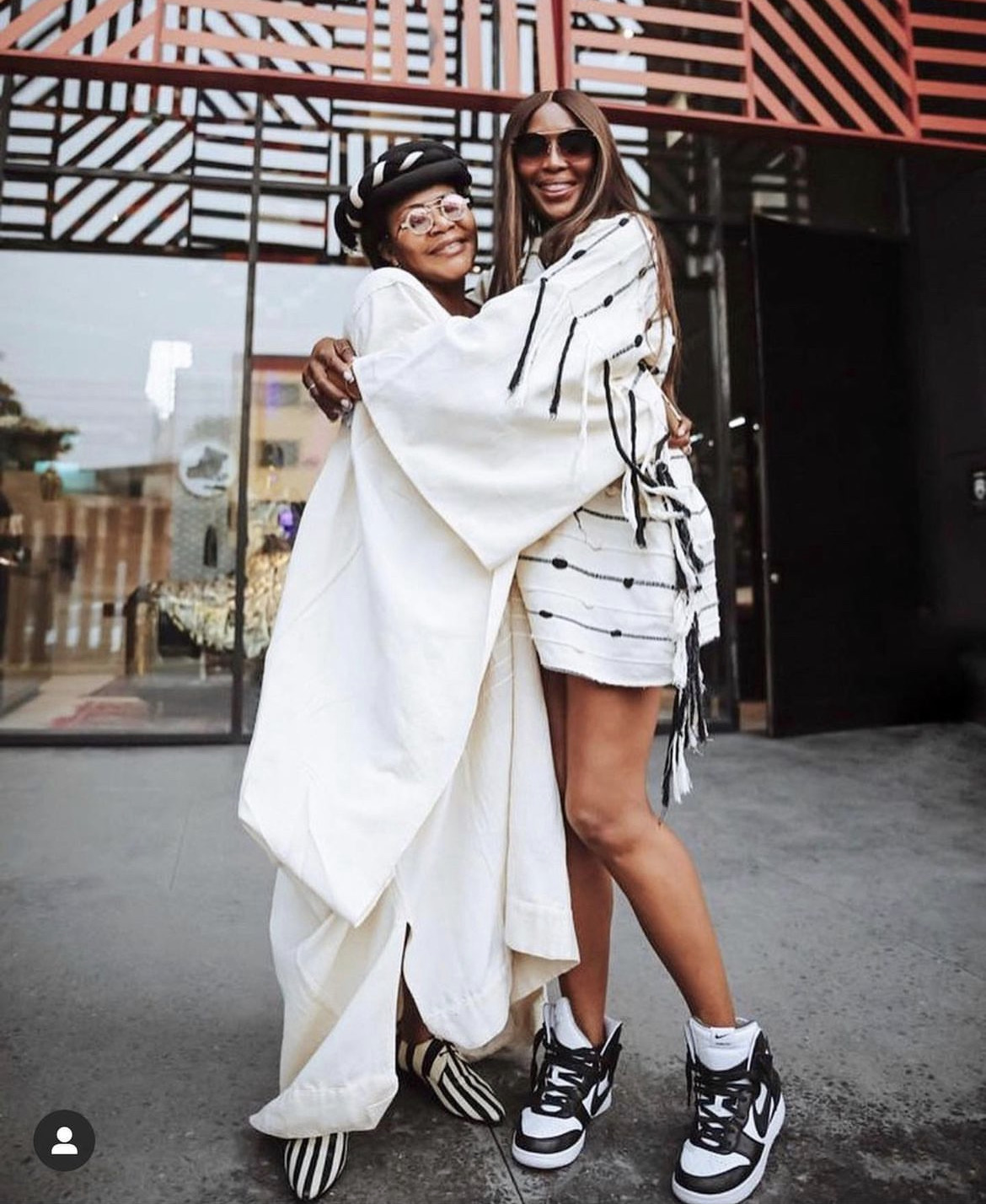
Awa Meite is a Malian womenswear label that focuses on leather and cotton pieces. The brains behind the brand, Awa Meité, is a multi-talented designer, filmmaker, stylist, painter, textile and fashion designer. The personality of the brand stems from its authenticity; each piece is made in Bamako, Mali, with hand-woven, high-quality and one-of-a-kind fabric. She aims to show diversity in fashion through her works by highlighting traditional cotton weaving techniques and leather craft but in a modern way. Their garments have been donned by international supermodels, Naomi Campbell.





One Response