By Chinazam Ikechi-Uko
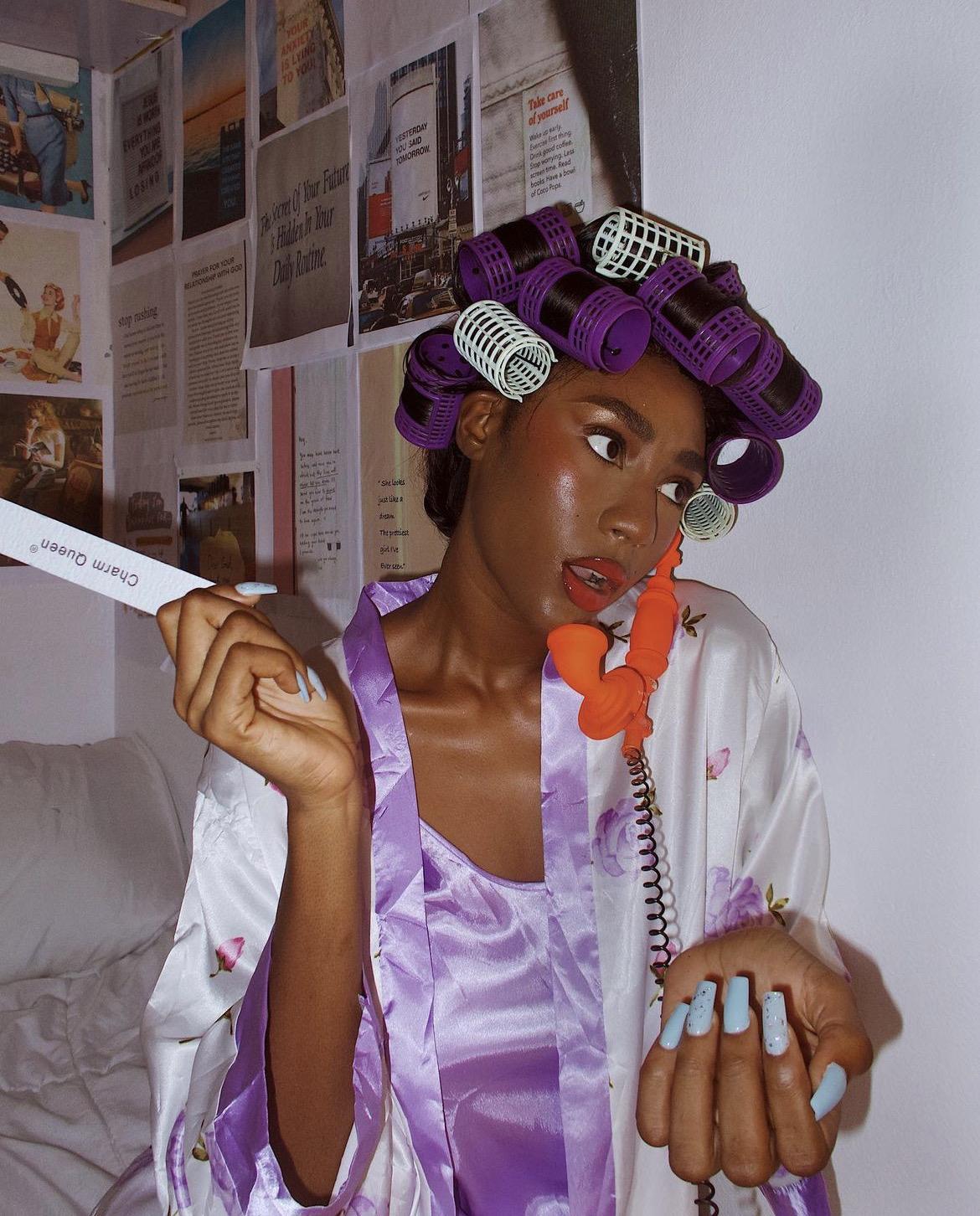
“I always wondered about the life of a fashion model.”
-Glamorama, Bryce Vine
Lights, camera, action! To the average person, the fashion industry is perceived as the world’s most glamorous job; pretty clothes, high fashion magazines, gorgeous people, nepo babies and a lot of wine and champagne. However, the average person is only aware of three jobs in fashion; styling, designing and modelling. The world of fashion and modelling has always been fascinating, it is often shrouded in mystery. We see the finalised version of a collection, the edited pictures and made up faces but what’s the process behind it all? What is the life of a model like? Is it as beautiful as it presents itself to be? Or is it as horrendous as everyone secretly thinks it is? Is modelling any different from the regular occupation?
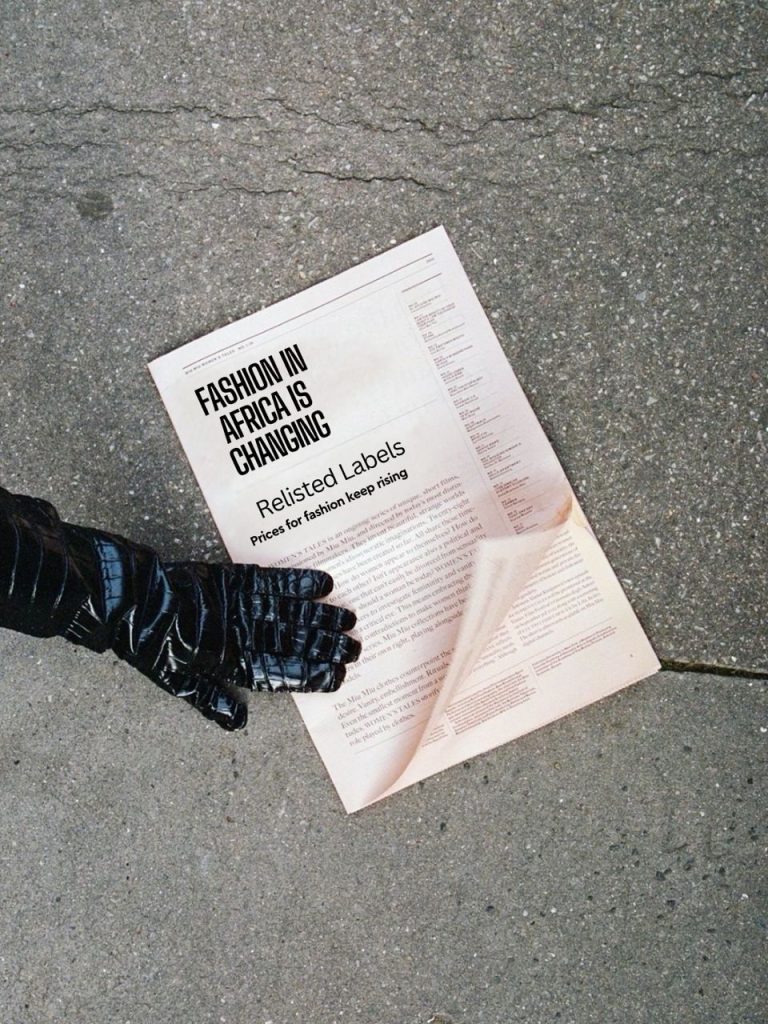
Fashion in Africa has evolved tremendously over the recent years. Thanks to social media and streaming applications, the world can witness the lifestyle of Africans through African lenses. As a domino effect, modelling in Africa has experienced significant growth and recognition in recent years. With an emphasis on diversity and cultural representation, the industry celebrates a wide range of skin tones, body shapes, and traditional aesthetics. African models are making their mark on the global fashion stage, walking in major shows for renowned designers and achieving international success. Fashion events and weeks in various African cities provide platforms for showcasing local talent and promoting inclusivity. Africa has emerged as a vibrant and dynamic hub within the global industry. Models, designers, and fashion influencers have been making significant strides, capturing the attention of audiences around the world. Nevertheless, like any industry, the African modelling scene has its fair share of challenges and controversies.
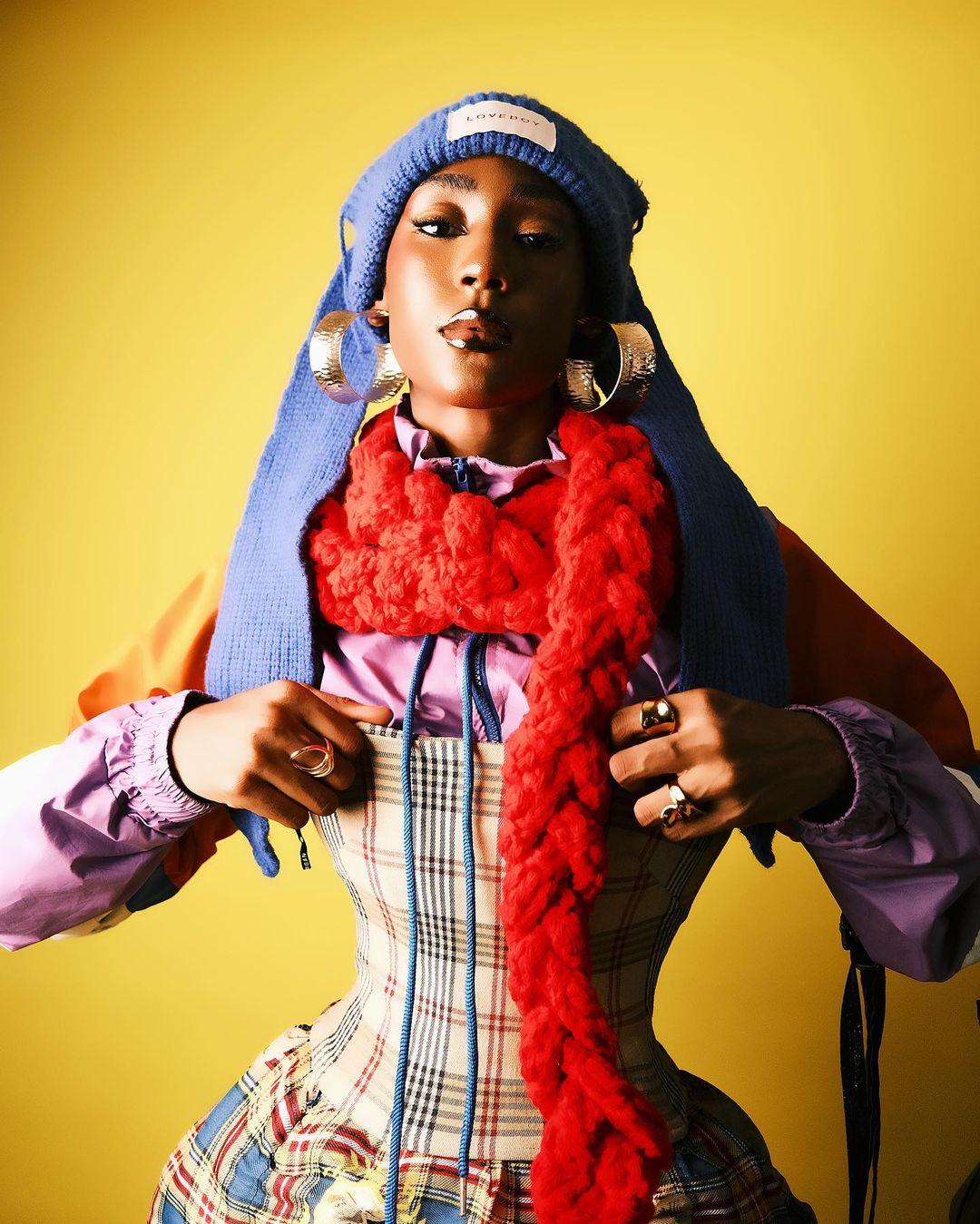
“I’ve never tripped and I will never trip in heels unless it’s Naomi Campbell style.”
-Laura Ajayi.
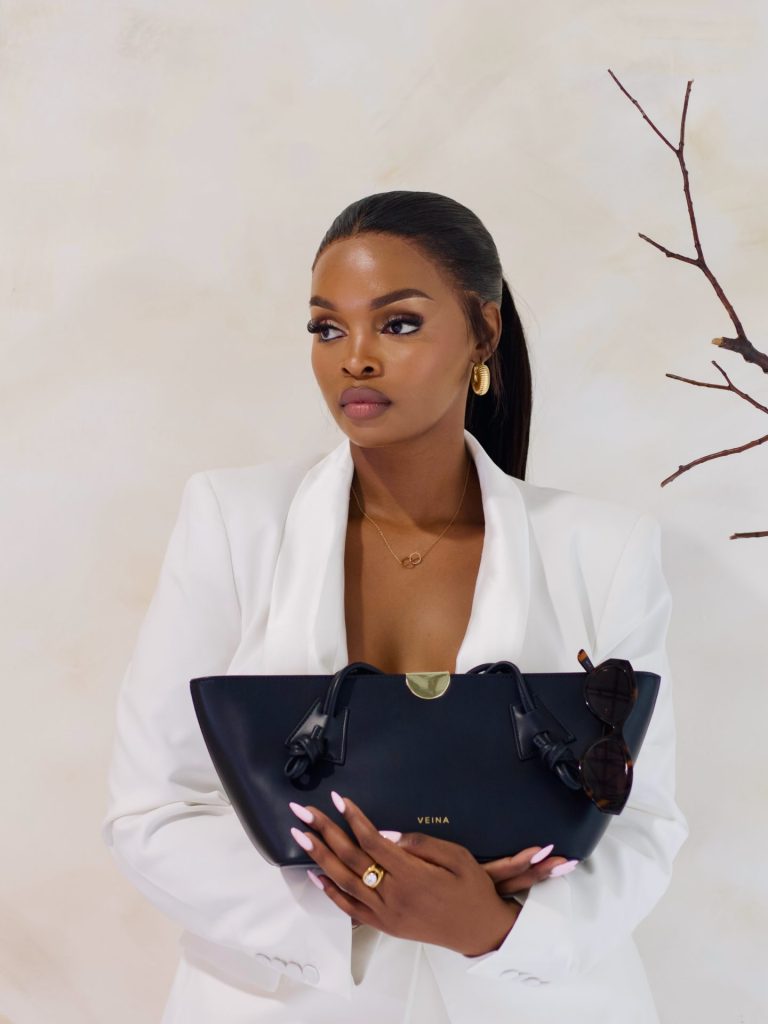
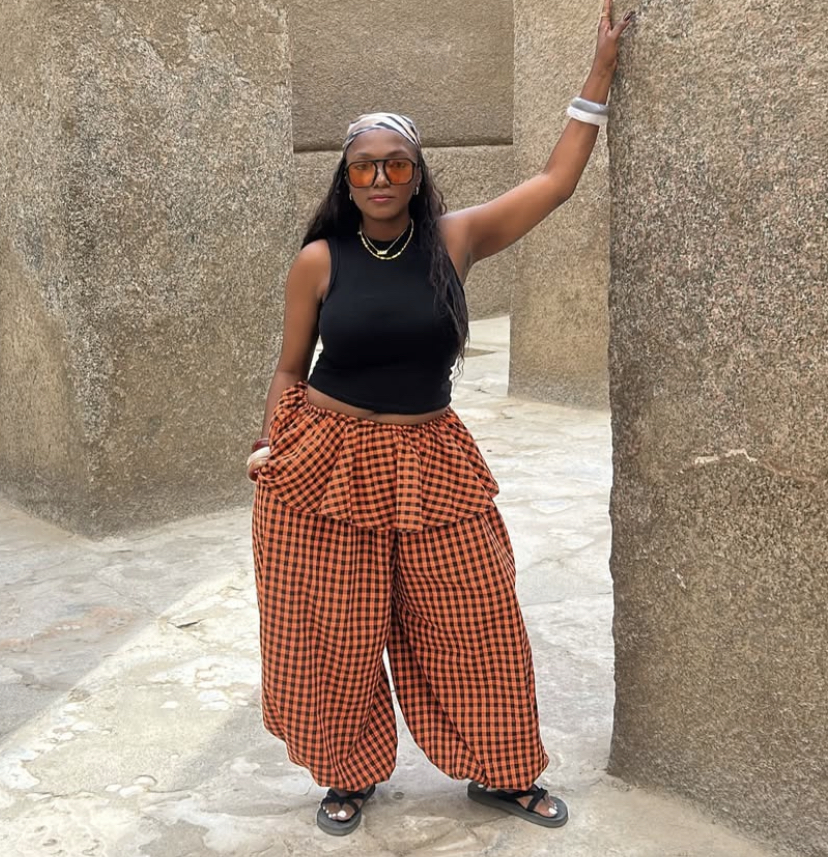
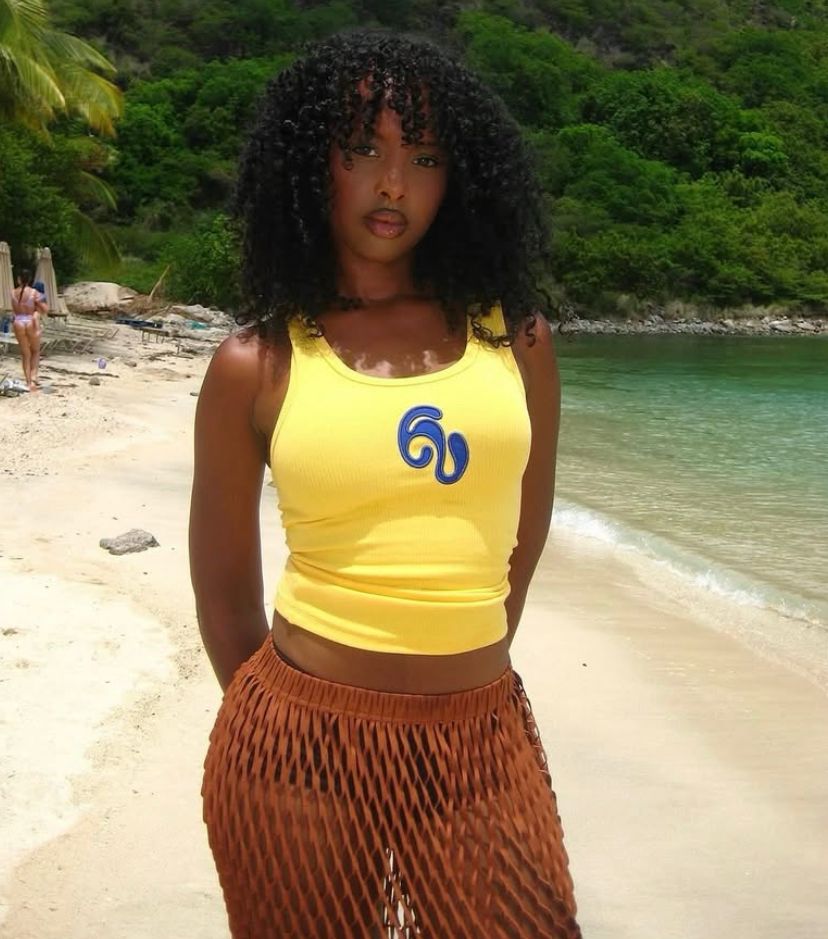
But it is impossible to fully understand the life of a model without speaking to one. So I reached out to a Nigerian model, Laura Ajayi. She is very popularly known for her fox-like features, and captivated both the editorial and commercial fashion scenes. Laura is no stranger to the runway or fashion scene. She has walked for several brands from Adamaparis, Maxhosa, Duabaserwa to Fruché and is the face of Didi beauty and Be Naya. We delved into the good, the bad, and the ugly aspects of the African modelling scene.
L: My older sister actually set me up with my first job and others after that. From then on out, I got connections of my own and later joined an agency. As for inspiration, it’s my older sister. She’s always been my biggest inspiration.
L: I know we’re all thinking the same when I say it’s money. Financial freedom. But asides from that, I’ve gotten a confidence boost, I feel better about myself in many ways and it’s given me an exposure I wouldn’t have gotten without [being in] the modelling industry.
L: While walking for Lagos Fashion Week 2022, my foot partially slipped out from the heel of my shoe and I knew in that split second I could either trip and fall or make history (in my head at least). So I jammed my foot down and walked with the heel half on till I was backstage. I got the most painful muscle pull in my calf and I couldn’t stay for long because I was walking for the very next designer. God is good.

L: There’s a million challenges in this wonderful industry and I’ve had my fair share. Sexual harassment, body shaming, pretty and ugly shaming and many many more. I just keep telling myself that God won’t put me in situations I can’t handle. So I keep my chin up and do my best to act logically and smart to manoeuvre the challenges.
L: Too many times to count. You’ll hear these from photographers, designers and even fellow models. Everyone has unrealistic expectations and they fail to see that even they themselves don’t meet up. I don’t blame them, the world has been on this path for a while. I’m doing my best to change that, one step at a time.
L: The industry is now more accepting of models that would have been turned down in the past. An example would be curvy or plus size models, short models and others. There’s still room for improvement but a step has been taken.
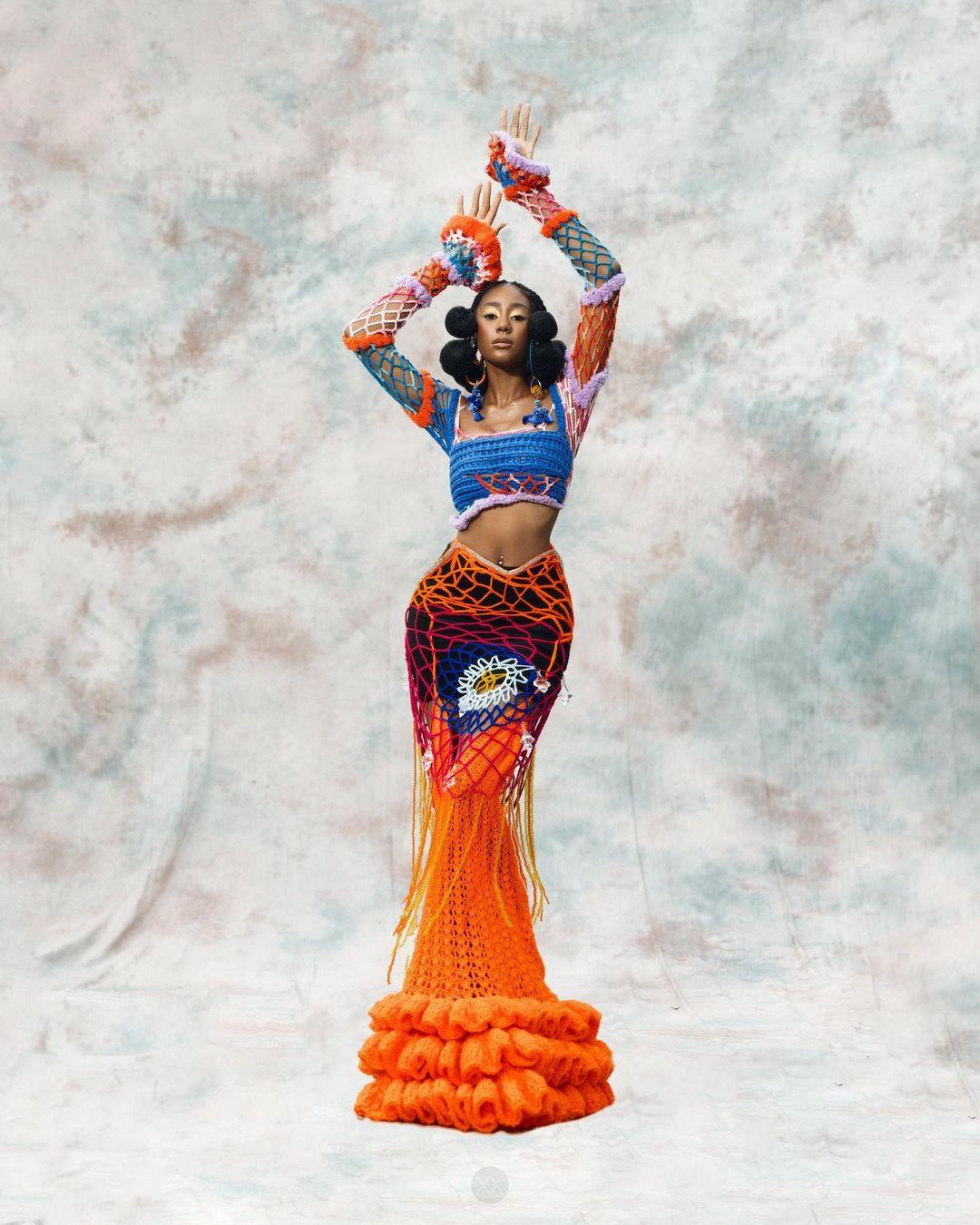
L: I’m honestly just being myself. I wouldn’t do anything that would bring God, my family or myself shame. If it’s right, I’ll do it, and I’d it’s wrong, I won’t. It’s that simple. I’m not here to please or fight anyone. I’m just having fun.
L: Oh I’ve come across a lot along the lines. I won’t talk about the dislikes because I could simply be misunderstanding the designer’s ideas. As for the likes, I’ve worked with many brands that follow fashion styles I like. Elegant, soft, edgy, etc. there’s too many to mention.
L: I’m a huge introvert so I thrive in not having much of a social life. I love my career and I’m happy with my work hours and each demand is merely a new and exciting challenge I get to tell as stories and laugh about later with my friends and family.
L: I really want to promote inclusivity in the modelling industry. The industry is still heavily behind and very toxic. I want a chance to change that because beauty is everywhere and not just in what the world has said is beautiful.
L: The industry is toxic in the sense that it has very unrealistic beauty standards that not even the top models meet. It’s all photoshop and everyone knows it. They make models starve and some even encourage the use of drugs to help them get skinnier. The mental pressure has driven many models to extreme lengths and there is just too much to talk about in one sitting. Western beauty is unrealistic and not enough people want to talk about that. The industry is highly toxic and there’s loads of work to be done.
L: Be you, everyone else is taken. Do what makes you happy and don’t do what you can’t. Listen to criticism and use that to improve yourself. Set your sights high and enjoy yourself.
L: There’s a number of ways if you ask anybody, but personally I think they should take models more seriously. Better work, better pay, better attention. Too many underpaid models, too many problems brushed over because they’re ‘just models’. Basically give models a voice.
The African modelling scene might have experienced significant growth and recognition in recent years, showcasing the richness of diversity and cultural representation. Despite the progress, challenges persist, such as body shaming, discrimination, and the need for better work conditions and pay for models. However, through the experiences of models like Laura Ajayi, we see the resilience and determination that drives positive change in the industry.
As we move forward, it is essential for the modelling industry to continue promoting inclusivity, providing opportunities for models of all backgrounds and body types, and creating a safer and more supportive environment. Models like Laura, who embrace their individuality and advocate for change, serve as inspiring role models for aspiring models entering the industry. By working together to break down stereotypes and unrealistic beauty standards, we can make fashion modelling a more empowering and accepting space for all, celebrating beauty in its diverse and genuine forms.